Stovetop pressure
Moka pot brewing guide
The stovetop classic: strong, syrupy, nostalgic.
- Difficulty
- Steady hands, 2 of 5
- Brew time
- 4–6 min
- Recipes
- 7
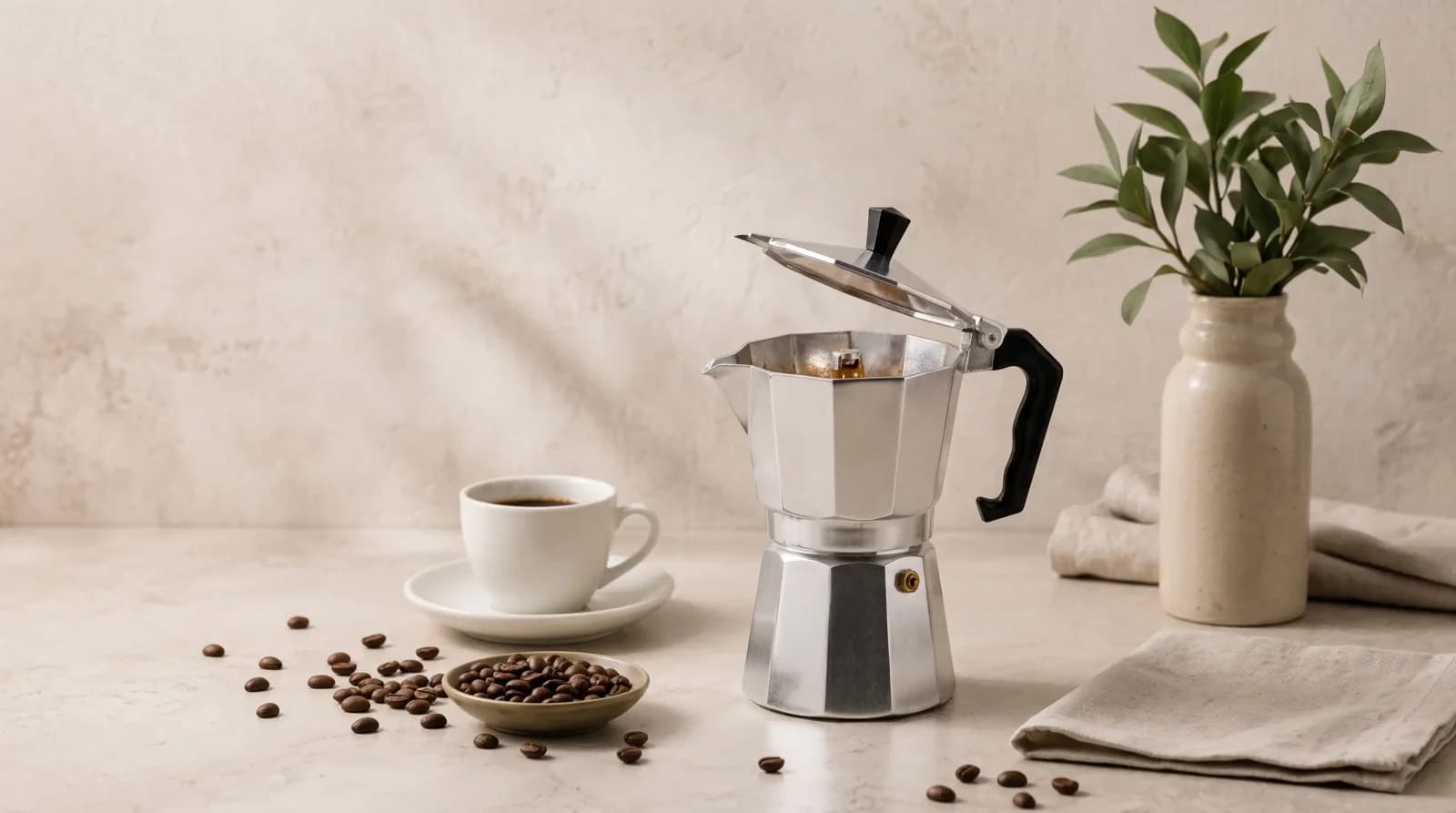
The science
A moka pot uses pressure from heating water in its lower chamber to move water through the coffee and into the upper chamber. Use coffee ground for moka and fill the basket level without tamping.
The pot’s size and fill marks set the batch. Fill the base only to just below the safety valve, check the seal and basket, and assemble the pot firmly with a clean rim. Recipe weights are a guide; never overfill the pot to match a number.
Use low to medium heat and follow the manufacturer’s instructions for the water temperature and lid. Keep flames below the base and stay with the pot. Remove it as the coffee finishes flowing or at the first gurgle; do not leave it sputtering or boiling dry. Pour the coffee out and let the pot cool completely before opening it.
Let Pourrr keep time.
Brew any recipe step by step in the Pourrr app. The guided timer calls each step, counts down every wait and keeps your changes for next time.
Available in India on iOS and Android, with more countries to follow.


Available now on iOS and Android.
Recipes for the moka pot
7 recipes
Classic
Typical time 4–6 minBold and nutty
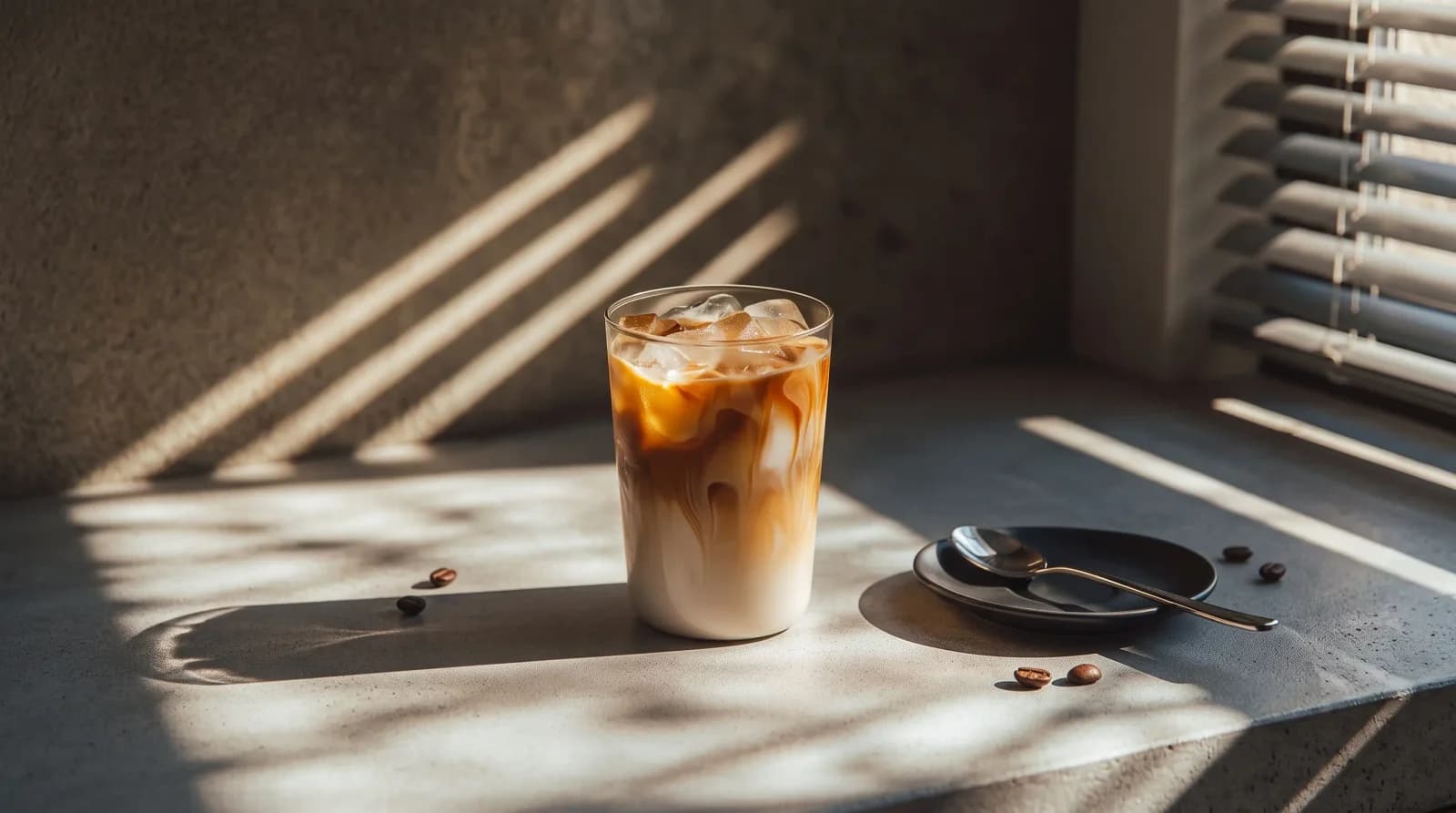
Iced
Typical time 4–6 minBold and nutty
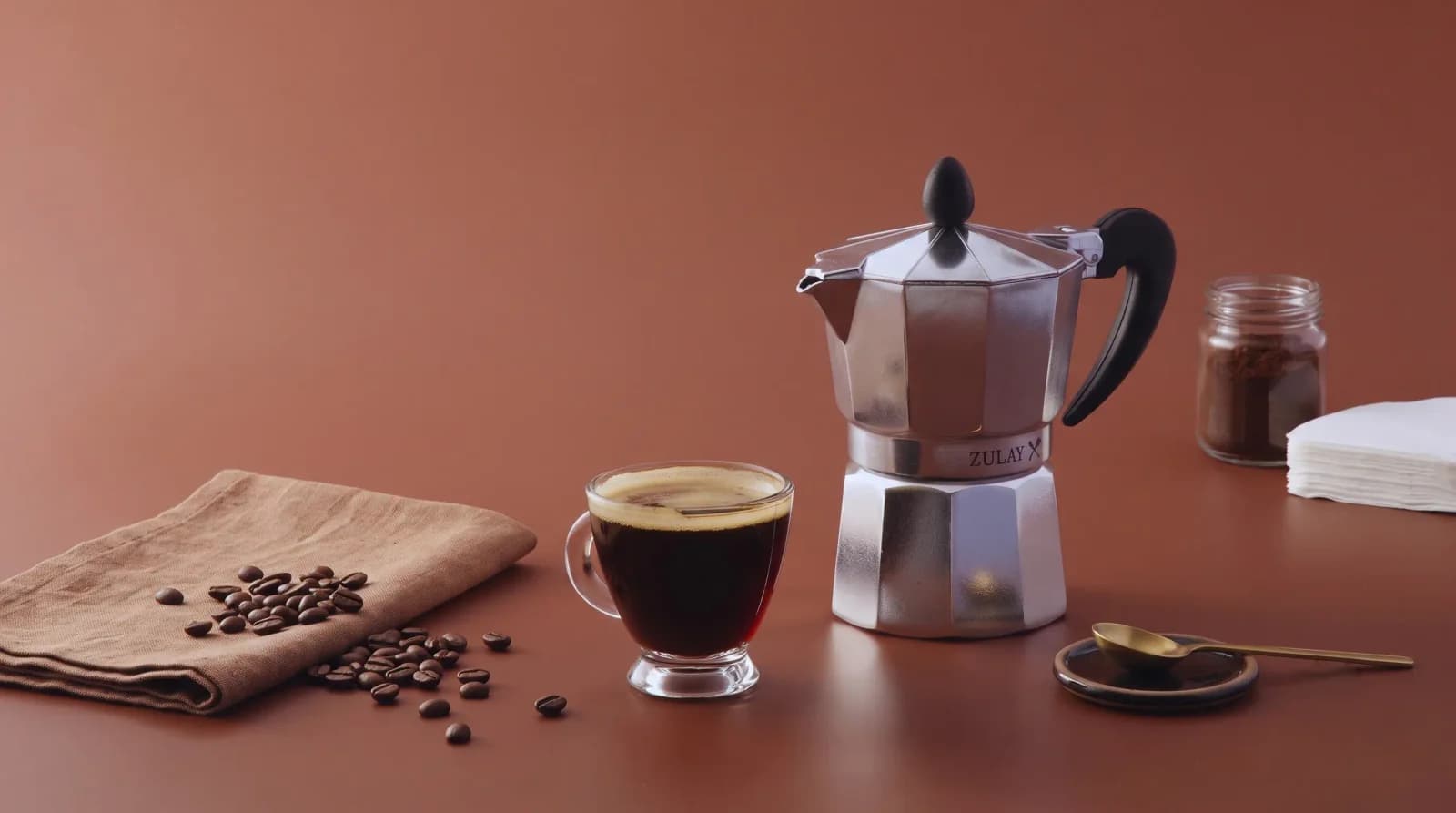
Café cubano: Moka
Typical time 4–6 minBold and nutty
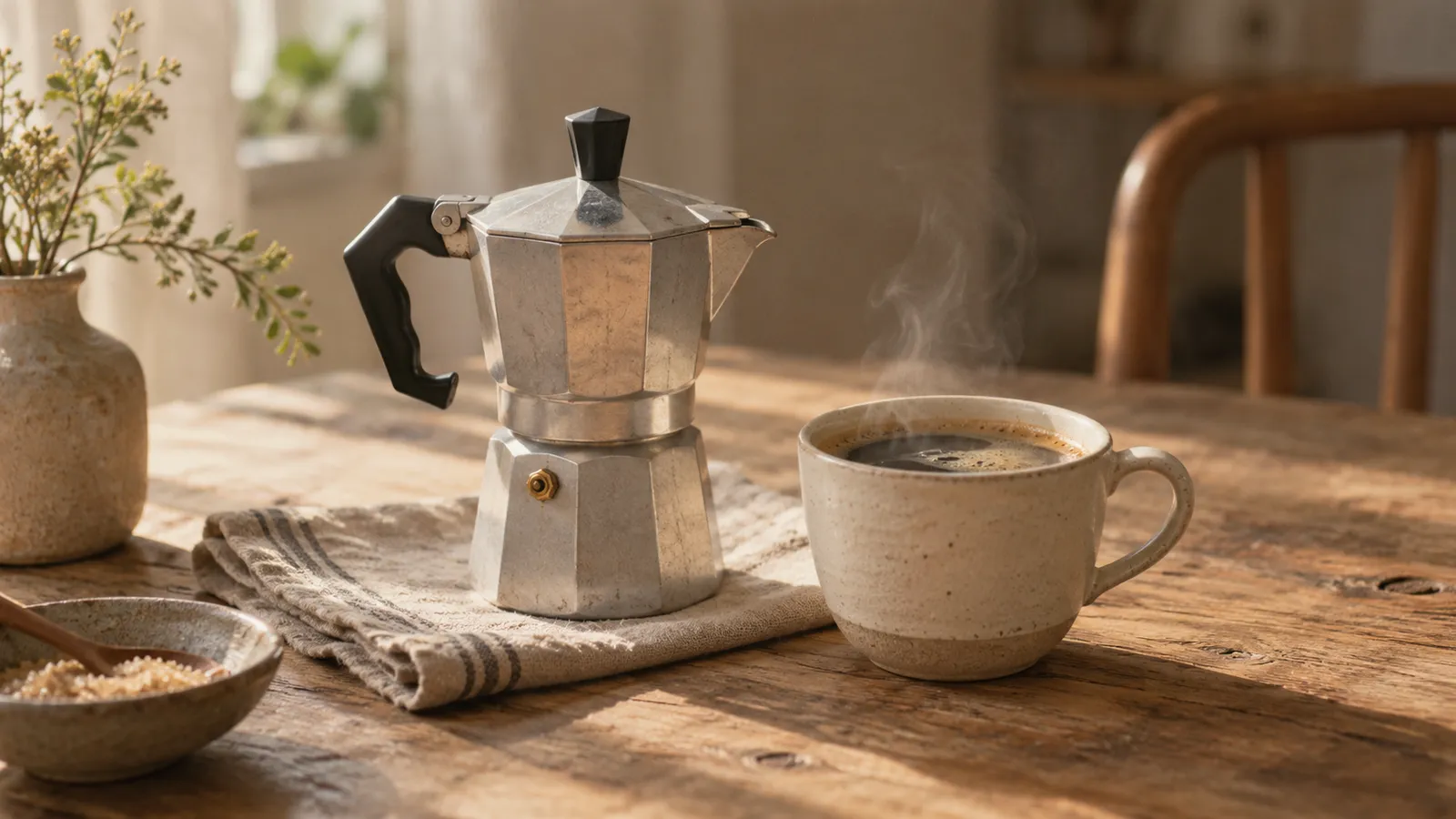
Moka americano
Typical time 4–6 minBold and nutty
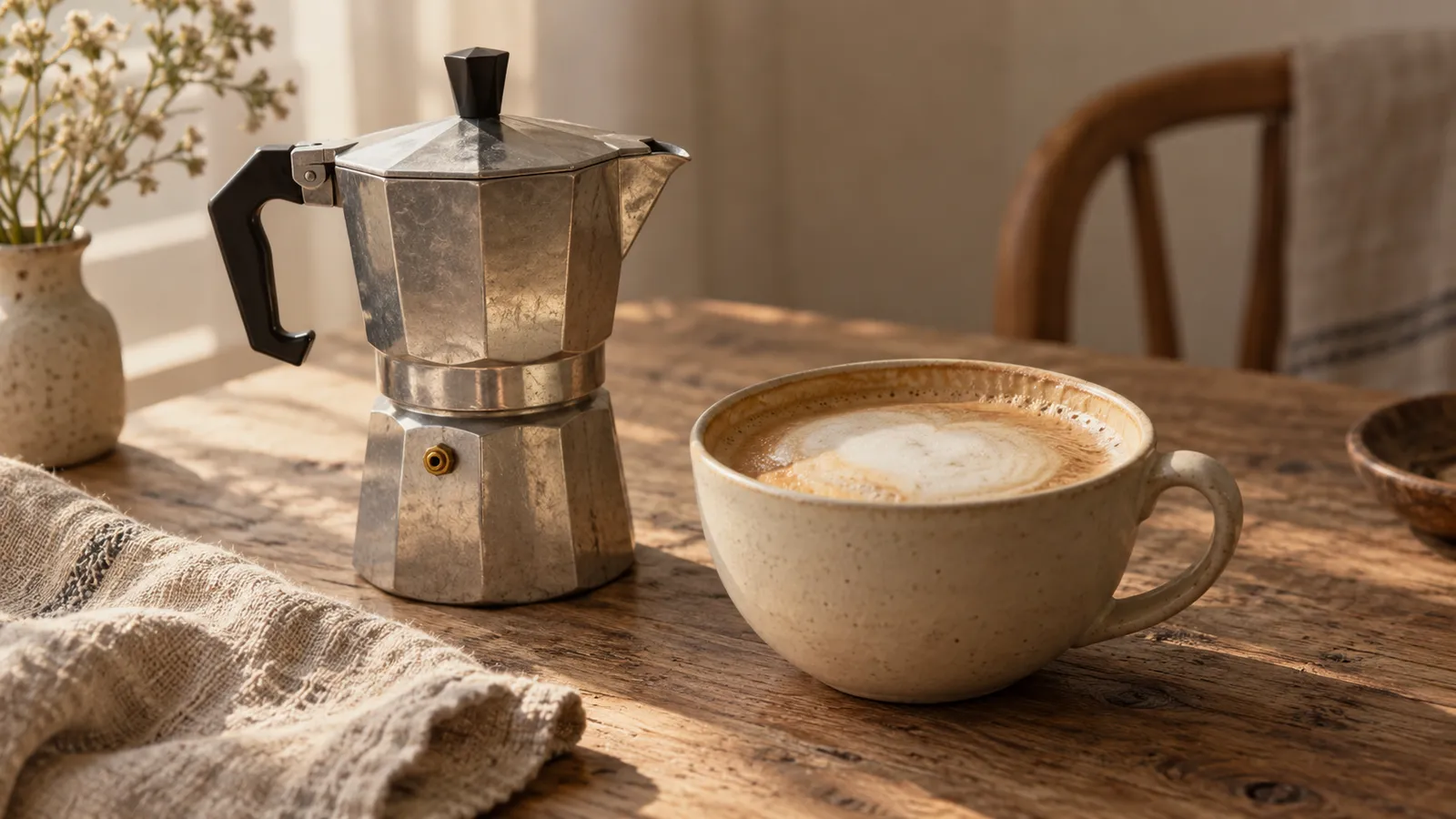
Moka latte
Typical time 4–6 minRich and chocolatey

Moka tonic
Typical time 4–6 minBold and nutty
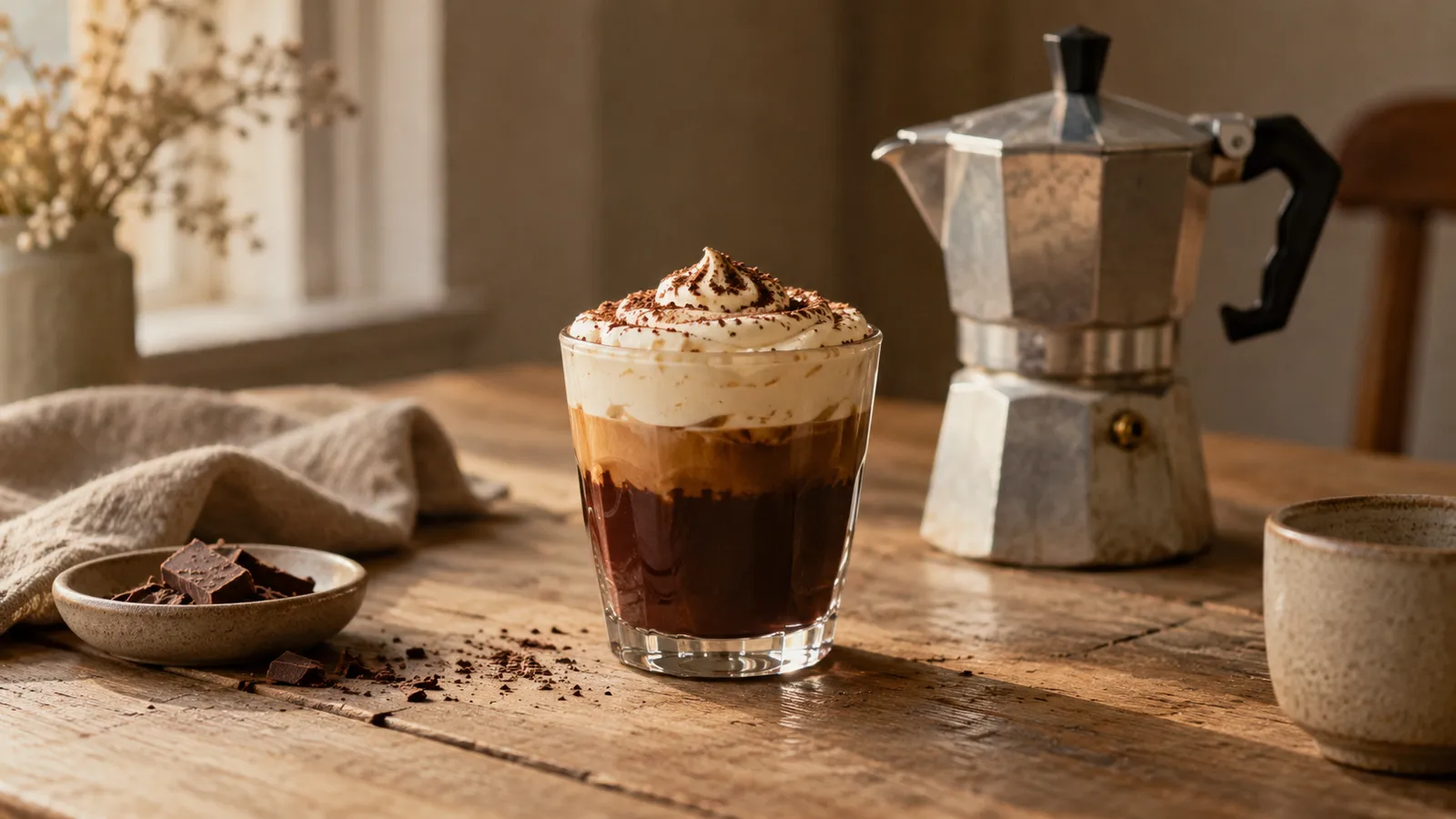
Moka bicerin
Typical time 4–6 minBold and nutty
Also in collections
Common questions
What grind size should I use for a moka pot?
Aim for a fine grind, around 30 on Pourrr’s 0 to 100 scale. If the brew runs fast and tastes thin, go finer; if it stalls or turns bitter, go coarser.
What coffee-to-water ratio works best for a moka pot?
Around 1:10. Add water for a lighter cup or hold back for more strength.
How hot should the water be for a moka pot?
Around 94 °C. Hotter water extracts faster, so ease it down if the cup turns harsh and up if it tastes flat.